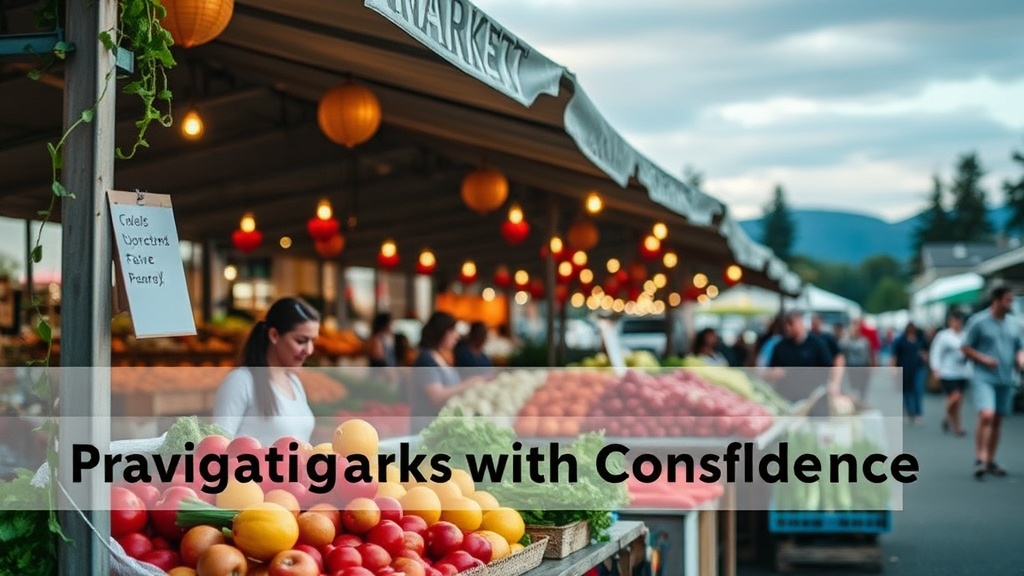
Navigating the Penticton Farmers Market with Confidence

Over 80% of the produce sold at local farmers markets in British Columbia is grown within a 100-kilometer radius of the point of sale. This means when you walk through the Penticton Farmers' Market, you aren't just buying groceries; you're participating in a highly localized food system that keeps money in the Okanagan Valley. This guide provides the logistics you need to handle the crowds, the timing, and the specific shopping strategies required to get the best seasonal goods without the stress.
The Penticton Farmers' Market is a seasonal staple, primarily running during the warmer months when the local harvest is at its peak. It serves as a central hub for growers from the Similkameen and Okanagan valleys to showcase their hard work. Knowing the rhythm of the market changes your entire experience—from what you buy to how much you end up spending.
When is the Best Time to Visit the Penticton Farmers' Market?
The best time to visit is between 9:00 AM and 10:30 AM to secure the freshest produce and avoid the heavy midday crowds. If you arrive too late, you'll often find that the most popular items—like certain heirloom tomato varieties or specific berry blends—are already sold out. Most vendors set up early, but the real "gold" is usually snatched up by the first wave of locals.
If you're a late riser, don't worry too much. While the selection shrinks, you might actually find better deals toward the end of the morning as vendors look to clear their inventory. However, the trade-off is the heat. By 11:30 AM, the Okanagan sun is hitting the pavement hard. If you aren't prepared, you'll be hunting for shade rather than looking at peaches.
Consider these three distinct "phases" of the market experience:
- The Early Bird (9:00 AM - 10:00 AM): Maximum selection, lowest way of dealing with crowds, but you must be quick to grab the best items.
- The Mid-Morning Peak (10:00 AM - 11:30 AM): High energy, lots of people, and the best atmosphere for people-watching.
- The Clearance Window (11:30 AM - 12:00 PM): Lower prices on certain items, but the selection is highly hit-or-miss.
One thing to remember: always check the official Penticton Farmers' Market website for any seasonal schedule shifts or special event announcements. They occasionally host live music or special vendor showcases that can change the vibe of the day.
How Much Does Food Cost at the Farmers' Market?
Prices at the market vary wildly depending on the seasonality and the specific crop, but you should expect to pay a premium compared to a standard grocery store for high-end organic produce. While a bag of apples might be cheaper at a big-box retailer, the quality and flavor profile of an Okanagan-grown Fuji or Gala apple from a local grower is incomparable. You are paying for freshness and the shorter transport time.
It's helpful to view your budget in categories. For example, your "staple" items like greens or potatoes might be relatively affordable, while "luxury" items like local honey, artisanal cheeses, or fresh sourdough bread will sit at a higher price point. I always suggest bringing more cash than you think you'll need. While many vendors now accept digital payments, some smaller stalls might still be cash-preferred or rely on standard debit/credit transactions through mobile readers.
Here is a rough comparison of what you might spend on a typical basket of goods:
| Item Type | Estimated Price (Local) | Typical Availability |
|---|---|---|
| Seasonal Berries (1 pint) | $5.00 - $8.00 | June - August |
| Local Honey (500g) | $12.00 - $18.00 | Year-round |
| Artisan Sourdough Loaf | $8.00 - $12.00 | Summer Peak |
| Seasonal Stone Fruit (per lb) | $3.00 - $5.00 | July - September |
Don't forget to account for "hidden" costs like reusable bags or specialized storage. If you're buying delicate items like raspberries, a rigid container is a smart move to prevent bruising during the drive home.
What Should I Bring to the Market?
You should bring reusable bags, a sturdy cooler, and a reliable way to carry heavier items. A single-use plastic bag won't hold up under the weight of a gallon of local cider or a heavy bag of potatoes. If you're planning a long outing, a backpack is often better than a tote bag because it keeps your hands free for browsing and prevents your heavy items from tearing through the bottom of a thin bag.
The weather in the Okanagan is notoriously unpredictable. Even if the morning starts clear, the heat can become intense by noon. I always keep a lightweight jacket or a sun hat in my car. If you plan on staying to enjoy the atmosphere, bringing a reusable water bottle is a must. Many vendors are happy to see you're being environmentally conscious, and staying hydrated is the only way to enjoy the stroll without feeling drained.
If you're looking to make a full day of it, you might want to pair your market visit with other local activities. For instance, after grabbing your fresh ingredients, you could head over to find a great coffee shop to enjoy a pastry, or perhaps prepare for a more active afternoon. If the sun is particularly brutal, you might want to plan a way to beat the heat in a local swimming spot later in the day.
A few quick pro-tips for your kit:
- Insulated Bags: Essential for keeping your cheese and dairy products at a safe temperature while you continue shopping.
- Small Change: Even with digital options, small bills are always appreciated by vendors.
- The "Heavy" Tote: Bring one heavy-duty canvas bag specifically for heavy items like melons or root vegetables.
A lot of people forget the "plan" part of the shopping trip. If you're buying highly perishable items like berries or soft greens, make sure you have a direct route home. You don't want to spend an hour wandering around town only to have your peaches sit in a hot car. It ruins the quality and, more importantly, the value of your purchase.
The beauty of the market is the variety. One week you might be hunting for the perfect peach, and the next, you're looking for specialized herbs. This seasonality is what makes the experience worthwhile. It forces you to eat with the seasons, which is a much more interesting way to live. It's not just about the food; it's about the community connection.
If you find yourself needing more advice on how to maximize your time in town, check out my guide on making the most of your weekend in Penticton. It covers a lot of the logistical nuances that make local outings successful.
When you're standing there, looking at a display of perfectly ripe peaches, don't be afraid to ask the grower questions. They are usually experts in their specific niche. Ask them how to store the fruit, how to best cook a certain vegetable, or when the next harvest is expected. This interaction is part of the value you're paying for. You're not just buying a product; you're buying expertise.
The sheer variety of goods can be overwhelming if you don't have a plan. I've seen people wander around aimlessly for twenty minutes before realizing they forgot to bring a bag. A little preparation goes a long way in ensuring your Saturday morning feels like a treat rather than a chore. Whether you're looking for a specific ingredient for a recipe or just a fun way to spend a morning, the Penticton Farmers' Market is one of the best ways to experience the best of our region.
Steps
- 1
Arrive Early for the Best Selection
- 2
Bring Reusable Bags and Small Bills
- 3
Check the Seasonal Availability List
- 4
Support Multiple Small Vendors