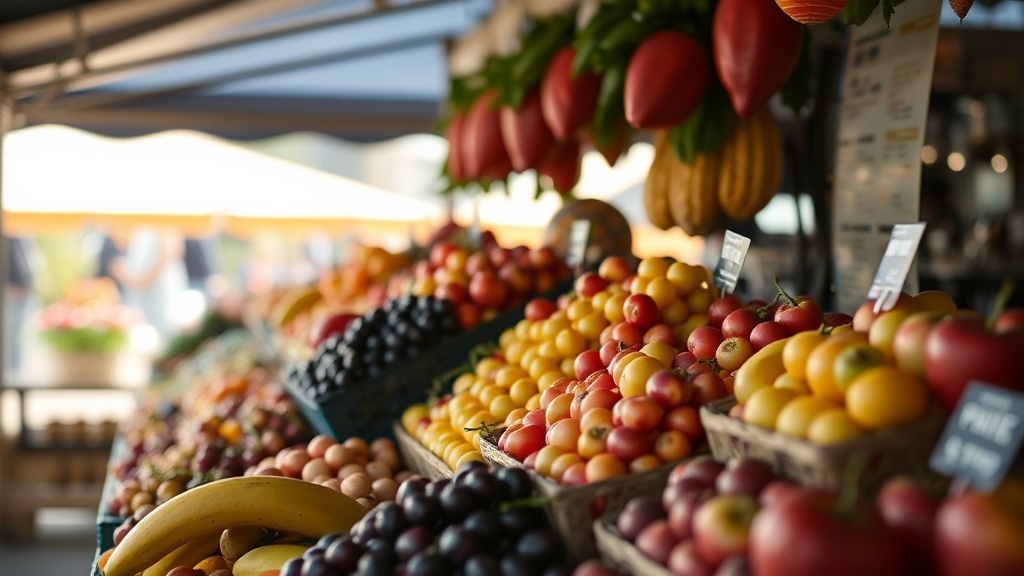
Picking the Best Fruit Stand for Your Summer Fruit Haul

The scent of sun-warmed peaches and dusty roadside gravel defines a Penticton July. You drive down Highway 97, the heat shimmering off the asphalt, and suddenly the landscape changes from vineyards to bright, hand-painted signs pointing toward roadside stands. This guide helps you identify which fruit stands offer the best value, variety, and quality for your summer haul, so you don't end up with bruised berries or overpriced cherries.
Finding the right produce depends on what you actually want to eat. If you're looking for a quick snack for a hike at Skaha Falls, you want something durable. If you're prepping a dessert for a backyard BBQ, you need the premium stuff. There is a massive difference between a grocery store shelf and a roadside stall in the Okanagan.
Where is the Best Place to Buy Fruit in the Okanagan?
The best place to buy fruit depends on whether you want variety or specific local varieties, but generally, the roadside stands along Highway 97 and the Naramata Bench offer the highest quality. While the big-box stores in Penticton carry many staples, they can't compete with the freshness of fruit picked just hours before it hits the stand.
For the absolute best experience, you should look for stands that specialize. Some growers focus heavily on stone fruit like nectarines and plums, while others are known for their cherries. If you want to see the scale of our local industry, checking the British Columbia Fruit Growers Association resources can give you an idea of what's currently in season across the province.
Here is a quick breakdown of where to look based on your needs:
| Type of Stand | Best For... | Pros | Cons |
|---|---|---|---|
| Roadside Farm Stands | Seasonal freshness | Unbeatable flavor; direct from grower | Limited hours; weather dependent |
| Farmer's Markets | Variety and meeting growers | Huge selection; great community feel | Can be crowded; higher prices |
| Local Grocery Stores | Consistency and convenience | Always in stock; easy parking | Often lacks the "just-picked" taste |
Most of the local stands operate on a "first come, first served" basis. If you see a crowd of cars at a particular stall near Oliver or Osoyoos, don't hesitate—that's usually a sign that the fruit is at its peak. It's better to get there early in the morning before the heat of the day hits the fruit.
How Do I Know if the Fruit is Ripe?
You should rely on scent and touch rather than just looking at the color. A peach might look perfect, but if it doesn't smell like anything, it's likely underripe or has been picked too early. Real, local fruit should have a heavy, sweet aroma that hits you the moment you walk up to the stand.
When picking your haul, keep these tactile tips in mind:
- Cherries: Look for firm, glossy skins. If they look wrinkled, they've been sitting out too long.
- Peaches/Nectarines: Give them a very gentle squeeze. They should give slightly under pressure, but shouldn't feel mushy.
- Plums: These should be heavy for their size. A heavy plum is a juicy plum.
- Berries: Check the bottom of the container. If there's juice pooling at the bottom, those berries are already past their prime.
Don't be afraid to ask the grower. Most of the people running these stands are incredibly knowledgeable about their specific crops. They can tell you exactly how many days until a certain variety is ready for eating. That bit of insider info can save you from a disappointing dessert.
What is the Best Time of Year to Visit Fruit Stands?
The peak window for fruit stands in the Okanagan is between late June and late August. Early summer is the season for cherries and berries, while the heavy hitters like peaches, nectarines, and plums typically dominate the scene in July and August. If you wait too late in the season, you'll find the selection shrinking and the quality dropping.
The timing is everything. If you show up in September, you're likely looking at apples and pears. If you want the juicy, messy, "melting" peach experience, you need to be out there in mid-July. It's a narrow window, but it's worth the effort.
One thing to keep in mind: weather affects availability. A particularly wet spring can delay the ripening of stone fruit, while a heatwave might make the fruit ripen too quickly, leading to shorter shelf lives. Keep an eye on local weather reports—if a heat dome is coming, the fruit will be ready sooner, but it might also go bad faster once you get it home.
If you're planning a trip to the orchard, consider how you'll transport your haul. A long drive back to a different part of the valley can be rough on delicate berries. I always recommend bringing a hard-sided cooler or at least a sturdy basket to prevent the bottom layer from getting crushed by the weight of the top layers.
The experience of driving through the valley, seeing the orchards in full bloom, and then seeing them laden with fruit is one of the best parts of living in the South Okanagan. It's a seasonal rhythm that defines our summers. Whether you're heading to the Okanagan Valley for a weekend or you're a local looking for the best nectarines, knowing the rhythm of the harvest makes the difference.
It's worth noting that some of the best finds aren't even on the main road. Sometimes the best fruit is found at the end of a long, dusty side road where a single family has been growing the same variety for decades. These "secret" spots might not have the fancy signage, but the fruit is often superior to anything you'll find at a commercial stall. Just look for the small, hand-written signs and follow your nose.
If you're out exploring the different areas of the valley, you might find that your preferences change depending on the location. For instance, the fruit near the lake often feels a bit different than the fruit closer to the desert heat of Osoyoos. It's all part of the local charm. If you're also looking for ways to enjoy the local lifestyle while you're out and about, check out my post on choosing the right shore to see how the geography of our lakes affects your summer vibe.
The goal is simple: get the best fruit possible, enjoy the sunshine, and make the most of the short, sweet Okanagan summer. It's a fleeting season, so get out there and enjoy it while it lasts.
Steps
- 1
Check the Seasonality
- 2
Look for Local Color
- 3
Verify the Origin
- 4
Ask the Farmer