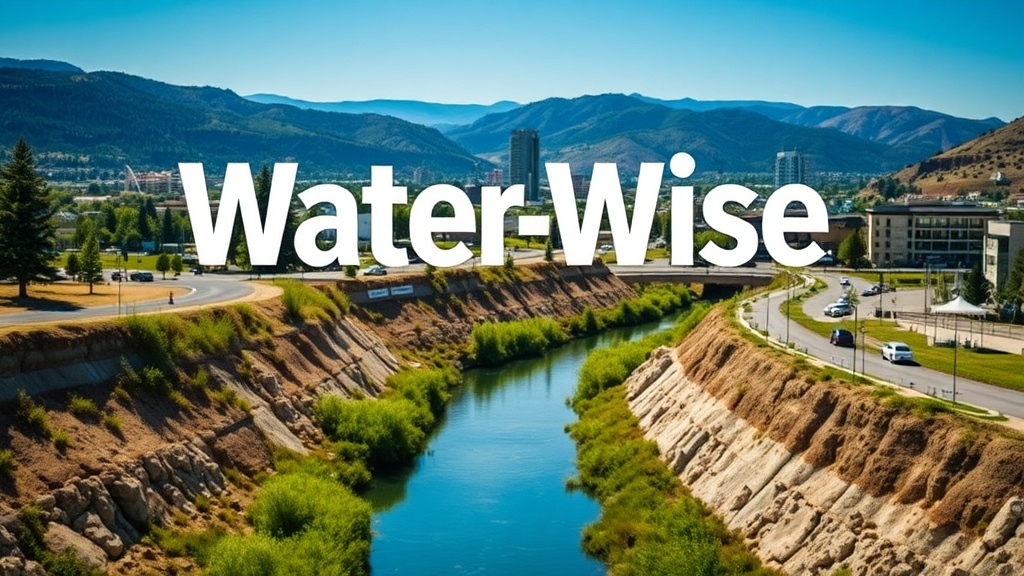
Understanding Penticton Water-Wise Infrastructure and Local Regulations

Why we can't just water our lawns whenever we want in Penticton
Many folks moving to the South Okanagan assume that because we have plenty of sunshine, we'll always have unlimited water at their fingertips. That's a massive misunderstanding. In Penticton, our water supply isn't just a convenience; it's a strictly managed resource that dictates how we live our lives, especially during those hot July and August stretches. If you think you can just blast your sprinklers at 2:00 PM on a Tuesday, you're in for a rude awakening from the city. Our community relies on a delicate balance of reservoir levels and seasonal precipitation, and the rules are there to ensure we don't run dry when it matters most.
The reality of living in Penticton means respecting the water restrictions that the city implements annually. It isn't about being difficult; it's about long-term survival for our local ecosystem. When the heat hits the Okanagan Valley, the pressure on our municipal systems increases significantly. We've seen how even a small lapse in community cooperation can lead to massive strain on the infrastructure that serves neighbourhoods from Skaha to North Penticton. We need to treat our water like the precious commodity it is, rather than an infinite resource.
Where does Penticton get its water from?
A common question we hear at local community meetings is where our water actually comes from. The City of Penticton draws primarily from the Skaha Lake and Penticton Lake systems. These aren't just scenic spots for our weekend boat rides; they are the lifeblood of our municipal infrastructure. Because our local water is sourced from these lakes, the quality and availability are directly tied to the health of the Okanagan watershed. You can track the current water levels and official alerts through the City of Penticton official website, which provides real-time updates on any active water-use restrictions or drought conditions.
Managing these levels is a constant job for the city. It's not just about the amount of water we have, but also the quality of the water entering our pipes. As our population grows, the demand on the filtration systems and the source lakes increases. This is why understanding the seasonal shifts in our local climate is so important for every resident. If the snowpack in the mountains is low, we can almost guarantee that Penticton will face tighter water restrictions by the time summer rolls around. It's a cycle we all live through every year, and being prepared is part of being a good neighbor.
How do I follow the Penticton water use schedule?
If you've recently moved to a neighbourhood like Penticton West or near the South Okanagan events centre, you might be confused by the odd days and times you're allowed to water. The city uses an even/odd system based on your street address. For example, if your house number ends in an even digit, you're likely on a different schedule than your neighbor on an odd-numbered street. This prevents everyone from pulling from the system at the same time, which can cause pressure drops in the local pipes. It's a small detail, but it makes a huge difference in keeping our municipal system stable.
- Check your address: Always verify your specific zone on the city's water-wise page.
- Watch the clock: Most restrictions prohibit watering during the heat of the day (typically between 11:00 AM and 4:00 PM).
- Use the right tools: Drip irrigation and hand-watering are much more efficient than oscillating sprinklers.
- Be mindful of the weather: If it's actually raining, don't turn on your irrigation!
We've noticed that even in the more established parts of Penticton, people sometimes forget these rules. It's easy to be a bit lax when you've lived here for twenty years, but the rules change based on the current drought level. Whether we are at Level 1 or Level 4 restrictions, the community needs to stay informed. We've seen how much a little bit of foresight can help, especially when we are trying to maintain the greenery in our local parks and public spaces without depleting the source.
Can I use my hose for washing my car or driveway?
This is a frequent point of contention in our local community groups. During high-alert periods, the rules for "non-essential" water use become very strict. In Penticton, washing your driveway or your car with a running hose is often prohibited during peak restriction levels. We've all seen it—someone trying to clean up their garage on a Saturday morning—but that water is better used for keeping our community stable during a dry spell. If you need to wash your vehicle, many of us recommend using a bucket system or seeking out professional services that use water-reclamation systems.
Understanding these nuances helps us avoid unnecessary friction with city officials and our neighbors. We want to keep our streets looking great, but we also have to prioritize the long-term health of the Penticton water supply. It’s a collective effort. When we all follow the same set of guidelines, the entire city benefits from more reliable service and fewer emergency measures. For more technical details on water management and local environmental standards, the South Okanagan-Similkameen Regional District offers excellent resources on how we manage our shared resources across the valley.
Ultimately, being a resident of Penticton means being part of a larger conversation about resource management. We aren't just living in a beautiful place; we're stewards of it. Whether you're living in a high-rise near the waterfront or a single-family home in the hills, your water-use habits impact everyone around you. Let's keep our community informed, prepared, and water-wise so we can enjoy our beautiful valley for many years to come.